A pantry brand has to find its way into a real meal. The first jar may be bought because its packaging catches someone's eye. The next purchase depends on taste, usefulness and how easily the product fits a familiar routine. Tiagos.com could support a focused specialty food brand with a personal tone and a straightforward online home. The concept described here is a possibility for a buyer, rather than an existing product range or trading business.
Choose a product with a clear job
Start with one lead product and one common use. A finishing sauce for roasted vegetables, a seasoning blend for quick suppers or a spread served with bread each gives customers a recognizable occasion. Avoid trying to serve every meal in the first range. A clear use makes sampling easier and creates a useful question after purchase: did the customer reach for it again when preparing that kind of meal?
Describe the product in language someone can use at a kitchen counter. Explain the flavor, the amount to add and what it works with. A serving suggestion should be achievable with ordinary ingredients, rather than requiring a second shopping trip. If the first use feels difficult, attractive packaging will struggle to create a habit. Make the instructions part of the initial prototype and test whether people understand them without a founder standing nearby.
Separate flavor development from production planning
A recipe that works for a small tasting does not automatically become a practical commercial product. Write down ingredients by weight, preparation steps, expected yield and where variation occurs. Ask a qualified producer or food specialist about the appropriate production method, packaging and shelf-life work. Shelf stability should be established through the relevant professional process; it cannot be inferred from how a sample looks or tastes after a few days.
The FDA's guidance for starting a food business is a useful starting resource for founders in the United States. Requirements depend on the product and where it is made and sold. Identify the relevant authorities and specialist support early, before commissioning a large packaging run. Labels, ingredient declarations and storage instructions belong in the development plan, alongside the recipe and visual identity.
Use a tasting to observe behavior
Give a small customer group the product with the intended instructions. Ask them to use it at home and tell you what they made, how much they used and where the container ended up afterward. An honest report that a jar sat unopened can be more useful than polite praise during a tasting. Find out whether the obstacle was flavor, uncertainty, packaging or simply the absence of a suitable meal.
A controlled comparison can help. Offer two versions with one meaningful difference, such as heat level or texture. Keep the other conditions consistent. Ask participants to describe their preference before telling them which version the founder favors. Record recurring comments, but retain the individual context. A household cooking for children may have a different use from someone preparing dinner for friends. Those differences can guide the initial audience instead of being averaged away.
Build a practical retail pilot
Choose a sales route that allows learning at manageable scale. A local market, a small direct order batch or a conversation with one independent retailer can expose different questions. Direct selling reveals the explanation customers need. A retailer will ask about case size, margin, replenishment and how the product fits the shelf. Shipping adds packaging, breakage and delivery costs that a tasting table does not reveal.
Build a cost sheet for the actual pilot. Include ingredients, production labor, packaging, labels, delivery materials, payment fees and likely losses. Allocate the founder's time rather than treating it as permanently free. The SBA's startup cost guidance can help organize the categories. The sheet is a working estimate to update with invoices and observed time, rather than a promise about the business's future margin.
Let the range follow evidence
The second product should have a reason to exist beyond making the shelf look fuller. It could serve a distinct meal occasion, offer a flavor requested repeatedly or complement the lead product in a useful set. Check whether it introduces new production equipment, allergens, packaging or minimum orders. A small extension can create a surprisingly large operational burden if it requires a separate process.
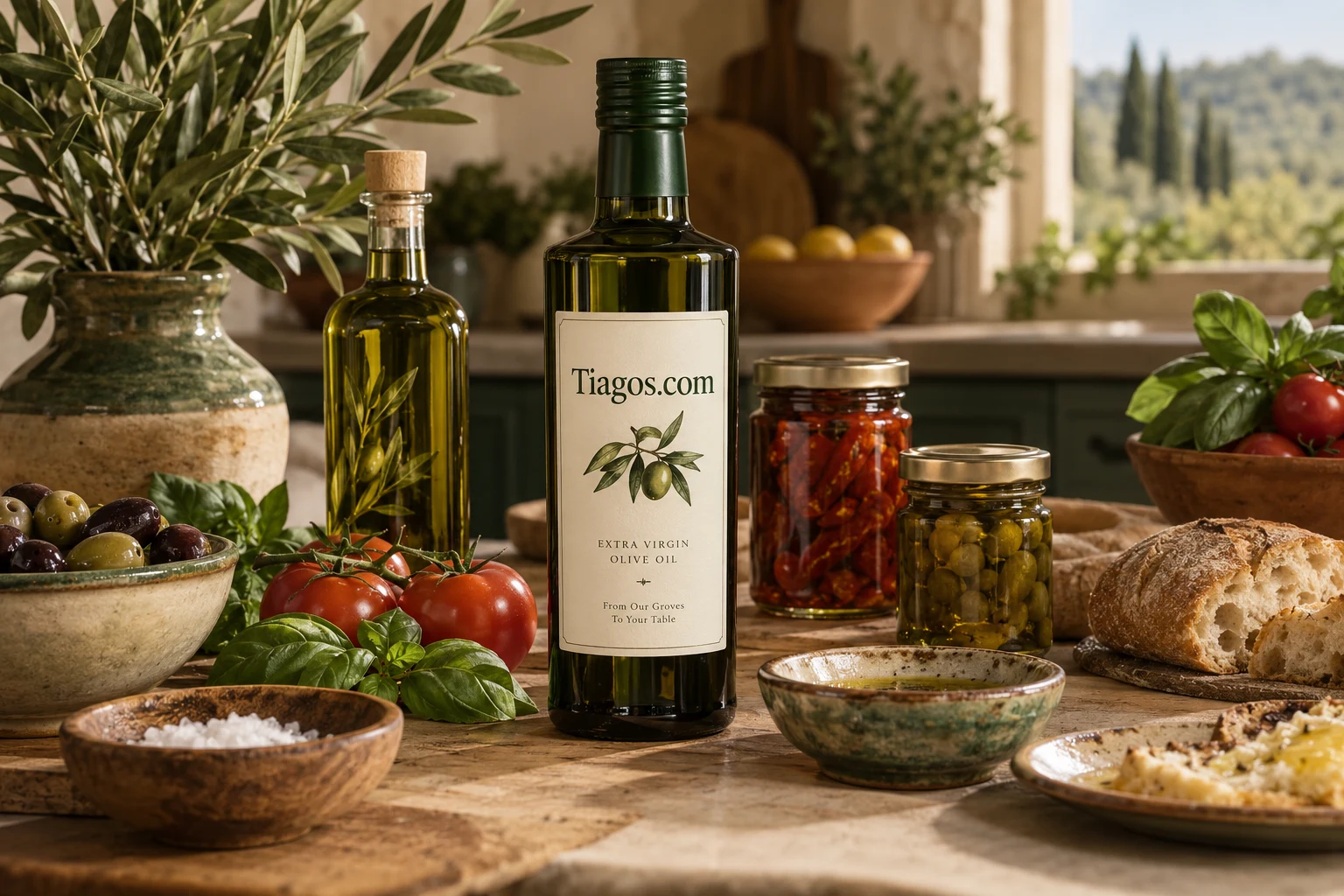
Tiagos could work as a name across a compact range because it does not prescribe a particular ingredient. A coherent identity might use warm ivory labels, terracotta details and green typography, with enough space for clear product information. The online store should make the difference between products obvious and explain delivery and storage plainly. Product photography should show texture, portion and realistic use, not only a styled unopened jar.
Plan the next order before the launch
Decide how to find out what happens after purchase, with appropriate consent for any follow-up. A brief question about the meal cooked with the product may reveal more than a broad satisfaction score. Track complaints and packaging problems carefully. A repeat order is useful evidence, but understand whether it came from personal use, gifting or a temporary promotion before changing the production plan.
The sensible first step is a lead-product brief, a qualified production conversation and a small customer sampling group. Domain acquisition would provide Tiagos.com only. Formulas, product approvals, stock, packaging and customer relationships would be developed separately by the buyer. Keeping that scope clear leaves room to build a food brand around something people actually enjoy using, one well-understood meal at a time.